

Get real with Teal
Thoughtful, trusted articles covering a range of women’s health topics - to help you stay informed and support your health and well-being.


Get Teal Health in your inbox
Featured article

Can I Screen for Cervical Cancer At Home?
The Teal Wand has been FDA-authorized, allowing you to self-collect a vaginal sample for your cervical cancer screening from the comfort of your home. In this guide, we discuss who can use the Teal Wand (right now).
Read MoreLatest articles

Women’s Health Topics for 35-45 Year Olds
Women’s needs, concerns, lifestyles, and health risks change as we age. These changes are often referred to as life stages. See the most common life stage topics for 35-45 year olds to be aware of and discuss with your provider.
Women’s bodies are miraculous and complicated, and our needs, concerns, lifestyles, and risks change as we age. These changes are often referred to as life stages, based on the reproductive cycle, beginning with menstruation and continuing through menopause.
In addition to reviewing lifestyle habits and mental well-being, below are a few of the most common life stage topics for 45-55 year olds to be aware of and discuss with your provider.
- Family History and Genetic Counseling
- Cancer Screenings
- Sexual Health (STD/STI Testing)
- Family Planning (Birth Control)
- Fertility and Egg Freezing
- Postpartum
- Perimenopause
This is intended to be a guide. Not all topics apply to everyone.
___________________
Family History and Genetic Counseling
Fortunately, only 5-10% of cancers are caused by inherited cancer gene mutations. These include certain breast and ovarian cancers from the BRCA1 and BRCA2 gene mutations. Those patients who carry a genetic mutation can have a much higher risk of developing cancer, so it is important to know as much as you can about your family health history. For more detailed information, see our article, Family Health History: What to Track and Why.
For those at high risk based on family history, you may be referred to genetic counseling to decide whether testing is appropriate, and so you can work with a specialist to be monitored more closely.
Cancer Screenings
As you age, it becomes increasingly important to follow the recommended cancer screening guidelines. Cervical cancer screenings are pretty constant throughout your lifetime, but ages 40 and 45 introduce breast cancer screening and colon cancer screening, respectively. Other gynecological cancers, such as ovarian and endometrial, don’t have routine screening methods, but below we have noted symptoms for you to be aware of.
Cervical Cancer Screening
Cervical cancer screenings are critical for anyone 25-65 years of age who has an intact cervix (has not had a full hysterectomy). Nearly all cervical cancers are caused by high-risk HPV (human papillomavirus). The Primary HPV test looks for high-risk HPV (hrHPV), which can cause changes to the cervix if it persists over several years.
Your current and past results will determine your screening schedule. According to the self-collection guidelines from the American Cancer Society:
- If you have a history of normal results, it is recommended that you screen yourself (self-collect) with a primary HPV test every 3 years.
- If you have a history of abnormal results in the past 2 years, in most cases, we will recommend that you screen again in 1 year to keep an eye on the infection (which can be dormant), and you can connect with a Teal provider to discuss further.
- If your results are abnormal, you should connect with a Teal medical provider to discuss whether additional tests or procedures are needed. Follow-up care is critical to ensuring HPV infections do not progress.
The above screening timelines are in accordance with the American Cancer Society for a self-collected Primary HPV test (including at-home screening). For detailed screening guidelines for at-home vs in-person, please see our Cervical Cancer Screening Guidelines.
Breast Cancer Screening
Starting at age 40, or earlier if there is a family history of breast cancer or known genetic mutation, women should get an annual or biannual mammogram (every 1-2 years). A mammogram is an X-ray of the breast tissue. Providers may also use the Gail Model to find those at high risk who may need referral for genetic testing.
Colon Cancer Screening
Colon cancer screening begins at age 45 and continues through age 75 — but may be recommended earlier based on family history.
Generally, this is done through stool tests and/or a colonoscopy:
- Stool tests (FIT or Cologuard): An at-home stool test is designed to detect blood or altered DNA in the stool. Stool tests are recommended every 1-3 years.
- Colonoscopy: Procedure where a flexible tube with a camera is inserted into the rectum and colon to check for polyps or signs of cancer. Colonoscopies are recommended every 10 years if you have normal results.
Ovarian and Endometrial Cancer
There are no routine screening tests for ovarian or endometrial cancer, as no test has yet been shown to reliably find early-stage disease.
Early-stage ovarian cancer does not usually cause symptoms, and later-stage ovarian cancer more often causes nonspecific symptoms. These could include bloating, the feeling of fullness, urinary frequency/urgency, or weight loss. If you notice new and persistent symptoms, it is important to discuss them with your provider. For those known to be at high risk of ovarian cancer, providers may recommend doing regular pelvic ultrasounds and cancer antigen (CA 125) blood tests to look for abnormalities.
Endometrial cancer typically causes abnormal uterine bleeding because it starts in the lining of the uterus. Evaluation for endometrial cancer could include a pelvic ultrasound to look for a thick lining and/or an endometrial biopsy to evaluate the uterine lining tissue.
Sexual Health (STD/STI Testing)
It is important to discuss your sexual health with your provider to ensure you are not at risk for an unplanned pregnancy, or for sexually transmitted diseases or infections (STDs/STIs). This is a space where you can ask questions without embarrassment to get the care and recommendations that will best protect your health.
For those who are sexually active and at an increased risk, such as having new or multiple partners, the CDC (Centers for Disease Control and Prevention) recommends yearly STD/STI tests. This is most commonly a blood or urine test.
Family Planning (Birth Control)
Family planning — or use of contraceptives — may be a topic that you bring to your provider, or that your provider raises to discuss protecting yourself from pregnancy and/or to help manage your menstrual cycle.
Your provider can help determine the best method for you and will consider factors like:
- What type of birth control best fits with your lifestyle
- The best hormonal content for you
- How soon you may want to consider trying for pregnancy
For more information, see our article on Birth Control Methods.
Fertility and Egg Freezing
Whether you’re in your 20s, 30s, or 40s, fertility becomes a discussion even before you begin trying to have a baby. The option of egg freezing (called oocyte cryopreservation) is something to consider discussing with your provider if you are not quite ready to become pregnant.
Once you are ready to start trying, there are a few considerations for your fertility journey, such as starting prenatal vitamins, using fertility tracking apps, or ovulation testing kits to increase the chances of pregnancy.
If you are:
- 35-39 years of age, you may be offered fertility testing if not pregnant after six months of trying
- 40 years of age or older, you should have an immediate fertility referral
If you are having abnormal periods or not seeing signs of ovulation, you should seek an evaluation right away, regardless of age.
Depending on the outcome of a workup, your provider can review fertility treatment options and refer you to a fertility specialist. Once you are pregnant, you’ll have a separate series of visits with your OB/GYN until delivery.
Postpartum
After having a baby, you will have a postpartum visit with your OBGYN 4-6 weeks after delivery. This visit is to check in on how your body is recovering from either a vaginal or Cesarean (surgical) birth. During this time, your body works to repair any injury from tears or incisions and to return to your pre-pregnancy state.
However, the period of postpartum extends for the full year after birth as your body continues to undergo changes:
- The uterus takes up to two months to shrink back to pre-pregnancy size, and while the abdominal wall is relaxed, most of the muscle tone returns after several weeks.
- Stretch marks will fade, though some are permanent.
- Postpartum hair loss often starts one to five months after giving birth and typically resolves naturally between 6 to 15 months postpartum.
- Women can lose about half their pregnancy weight in the first six weeks post-delivery, then at a slower pace the following months.
- Most women will get a period again by three months postpartum, though a percentage of those who exclusively breastfeed may not have a period for a year or more.
- Ovulation can still occur during this time, so contraception is recommended if pregnancy prevention is a goal.
Perimenopause
Perimenopause refers to the time when your body begins its transition into menopause, or the end of your menstrual cycle (period). These changes typically begin in your mid-40s, but can start earlier or later. Perimenopause is different for every woman, and it may happen swiftly or over the course of many years.
During this time, your estrogen and progesterone levels are uneven, and this may cause symptoms like:
- Changes to your mood
- Changes to the duration or time between your menstrual cycles
- Sleep problems
- Heavy sweating or hot flashes
- Weight gain
- Vaginal dryness
- Headaches or trouble concentrating
- Joint and muscle aches
- Having to urinate more frequently
Depending on your experience, these symptoms can be managed by contraceptives such as birth control pills, the vaginal ring, progesterone or traditional hormonal replacement therapy. Maintaining even levels of hormones can help with most symptoms, including mood changes, night sweats, hot flashes, dryness, and menstrual issues. Lifestyle adjustments can improve weight gain, stress, and sleep. Cognitive behavioral therapy and/or antidepressants or antianxiety medications are also helpful to manage mood swings, anxiety, and depression.
Knowing what to look out for helps ensure this transition is as comfortable and as healthy as can be.

Women’s Health Topics for 45-55 Year Olds
Women’s needs, concerns, lifestyles, and health risks change as we age. These changes are often referred to as life stages. See the most common life stage topics for 45-55 year olds to be aware of and discuss with your provider.
Women’s bodies are miraculous and complicated, and our needs, concerns, lifestyles, and risks change as we age. These changes are often referred to as life stages, based on the reproductive cycle, beginning with menstruation and continuing through menopause.
In addition to reviewing lifestyle habits and mental well-being, below are a few of the most common life stage topics for 45-55 year olds to be aware of and discuss with your provider.
- Cancer Screenings
- Family Planning (Birth Control)
- Fertility
- Postpartum
- Perimenopause
- Menopause
- Sexual Health (STD/STI Testing)
This is intended to be a guide. Not all topics apply to everyone.
___________________
Cancer Screenings
As you age, it becomes increasingly important to follow the recommended cancer screening guidelines. Cervical cancer screenings are pretty constant throughout your lifetime, and at age 40, you started to screen for breast cancer. Now, starting at age 45, it is recommended that you also start colon cancer screening. Other gynecological cancers, such as ovarian and endometrial, don’t have routine screening methods, but below we have noted symptoms for you to be aware of.
Cervical Cancer Screening
Cervical cancer screenings are critical for anyone 25-65 years of age who has an intact cervix (has not had a full hysterectomy). Nearly all cervical cancers are caused by high-risk HPV (human papillomavirus). The Primary HPV test looks for high-risk HPV (hrHPV), which can cause changes to the cervix if it persists over several years.
Your current and past results will determine your screening schedule. According to the self-collection guidelines from the American Cancer Society:
- If you have a history of normal results, it is recommended that you screen yourself (self-collect) with a primary HPV test every 3 years.
- If you have a history of abnormal results in the past 2 years, in most cases, we will recommend that you screen again in 1 year to keep an eye on the infection (which can be dormant), and you can connect with a Teal provider to discuss further.
- If your results are abnormal, you should connect with a Teal medical provider to discuss whether additional tests or procedures are needed. Follow-up care is critical to ensuring HPV infections do not progress.
The above screening timelines are in accordance with the American Cancer Society for a self-collected Primary HPV test (including at-home screening). For detailed screening guidelines for at-home vs in-person, please see our Cervical Cancer Screening Guidelines.
Breast Cancer Screening
To stay current on your breast cancer screening, you should be getting an annual or biannual mammogram (every 1-2 years), which is an X-ray of the breast tissue. Depending on your history of results and breast density, you may also be getting breast ultrasounds and/or breast MRIs. Providers may also use the Gail Model or discuss genetic testing as a tool to assess breast cancer risk.
Colon Cancer Screening
Colon cancer screenings begin at age 45 and continue through age 75 — but are recommended earlier if there is a family history.
Generally, this is done through stool tests and/or a colonoscopy:
- Stool tests (FIT or Cologuard): An at-home stool test is designed to detect blood or altered DNA in the stool. Stool tests are recommended every 1-3 years.
- Colonoscopy: Procedure where a flexible tube with a camera is inserted into the rectum and colon to check for polyps or signs of cancer. Colonoscopies are recommended every 10 years.
Ovarian and Endometrial Cancer
There are no routine screening tests for ovarian or endometrial cancer, as no test has yet been shown to reliably find early-stage disease.
Early-stage ovarian cancer does not usually cause symptoms, while later-stage ovarian cancer more often causes nonspecific symptoms. These could include bloating, the feeling of fullness, urinary frequency/urgency, or weight loss. If you notice new and persistent symptoms, it is important to discuss them with your provider. For those known to be at high risk of ovarian cancer, providers may recommend doing regular pelvic ultrasounds and cancer antigen (CA 125) blood tests to look for abnormalities.
Endometrial cancer typically causes abnormal uterine bleeding because it starts in the lining of the uterus. Evaluation for endometrial cancer could include a pelvic ultrasound to look for a thick lining and/or an endometrial biopsy.
Family Planning (Birth Control)
As long as you are menstruating (premenopausal), you may want to use contraceptives to protect yourself from pregnancy and/or to help manage your menstrual cycle. Your provider can help determine the best method for you and will consider factors such as:
- What type of birth control best fits with your lifestyle
- The best hormonal content for you
For more information, see our article on Birth Control Methods.
Fertility
At 45 years of age or older, it becomes increasingly difficult to become pregnant without fertility assistance. If you are planning to have a baby, you should have both a preconception consult to discuss the health risks of pregnancy and an immediate fertility referral for an evaluation and review of treatment options. Once you are pregnant, you’ll have a separate series of visits with your OB/GYN until delivery.
Postpartum
Postpartum refers to the period after you deliver a baby. From a medical perspective, this lasts six to eight weeks while your body recovers from a natural or Cesarean (surgical) birth. During this time, your body works to repair any injury from tears or incisions and to return to your pre-pregnancy state. It is an important time for both the mother and child’s well-being — for healing and for bonding. You will have a postpartum visit 4-6 weeks after delivery.
However, the period of postpartum extends for the full year after birth as your body continues to undergo changes.
- The uterus takes up to two months to shrink back to pre-pregnancy size, and while the abdominal wall is relaxed, most of the muscle tone returns after several weeks.
- Stretch marks will fade, though some are permanent.
- Postpartum hair loss often starts one to five months after giving birth and typically resolves naturally between 6 to 15 months postpartum.
- Women can lose about half their pregnancy weight in the first six weeks post-delivery, then at a slower pace the following months.
- Most women will get a period again by three months postpartum, though a percentage of those who exclusively breastfeed may not have a period for a year or more.
- Ovulation can still occur during this time, so contraception is recommended if pregnancy prevention is a goal.
Perimenopause
Perimenopause refers to the time when your body begins its transition into menopause, or the end of your menstrual cycle (period). These changes typically begin in your mid-40s, but can start earlier or later. Perimenopause is different for every woman, and it may happen swiftly or over the course of many years.
During this time, your estrogen and progesterone levels are uneven, and this may cause symptoms like:
- Changes to your mood
- Changes to the duration or time between your menstrual cycles
- Sleep problems
- Heavy sweating or hot flashes
- Weight gain
- Vaginal dryness
- Headaches or trouble concentrating
- Joint and muscle aches
- Having to urinate more frequently
Depending on your experience, these symptoms can be managed by contraceptives such as birth control pills, the vaginal ring, progesterones, and hormonal replacement therapies, which can help with night sweats, hot flashes, dryness, and menstrual issues. Lifestyle adjustments can improve weight gain, stress, and sleep. Cognitive behavioral therapy and/or antidepressants or anti-anxiety medications are often helpful to manage mood swings, anxiety, and depression.
Knowing what to look out for helps ensure this transition is as comfortable and as healthy as can be.
Menopause
Once you’ve gone 12 consecutive months without a period, you’ve officially reached menopause. Women typically reach menopause in their 50s (the average age is 51). We can think of this less like an ongoing stage of life, and more like a gate we’ll eventually pass through. That said, there are health impacts on the other side, as a result of your ovaries no longer producing as much estrogen. Post-menopause, women may see changes to bone or heart health, body shape, and other signs associated with aging.
Within the context of your annual well-woman visit, you can talk to your provider about hormone therapies:
- Estrogen Therapy (ET) or Estrogen Progesterone/Progestin Therapy (EPT). These therapies come in several forms, and each carries its own benefits, risks, and side effects.
- There are also prescription-based non-hormonal therapies, like SSRIs, fezolinetant, and gabapentin, to relieve vasomotor symptoms and mood changes.
Incorporating an exercise routine to include a combination of aerobics, strength training, and balance workouts can reduce weight gain, stress, and increase bone density and muscle. Focusing on a healthy diet with these lifestyle changes can also help slow aging and support whole body wellness. For more information, see our Menopause Q&A.
Sexual Health (STD/STI Testing)
It is important to discuss your sexual health with your provider to ensure you are not at risk for sexually transmitted diseases or infections (STDs/STIs). This is a space where you can ask questions without embarrassment to get the care and recommendations that will best protect your health.
For those who are sexually active and at an increased risk, such as having new or multiple partners, the CDC (Centers for Disease Control and Prevention) recommends yearly STD/STI tests. This is most commonly a blood or urine test.
For more information on testing and treatment, see our article on Sexually Transmitted Infections.

Women’s Health Topics for 55-65 Year Olds
Women’s needs, concerns, lifestyles, and health risks change as we age. These changes are often referred to as life stages. See the most common life stage topics for 55-65 year olds to be aware of and discuss with your provider.
Women’s bodies are miraculous and complicated, and our needs, concerns, lifestyles, and risks change as we age. These changes are often referred to as life stages, based on the reproductive cycle, beginning with menstruation and continuing through menopause.
In addition to reviewing lifestyle habits and mental well-being, below are a few of the most common life stage topics for 55-65 year olds to be aware of and discuss with your provider.
- Cancer Screenings
- Menopause
- Bone Health
- Sexual Health (STD/STI Testing)
This is intended to be a guide. Not all topics apply to everyone.
___________________
Cancer Screenings
As you age, it becomes increasingly important to follow the recommended cancer screening guidelines. For women 55-65 years of age, it is recommended that you screen regularly for cervical cancer, breast cancer, and colon cancer. Other gynecological cancers, such as ovarian and endometrial, don’t have routine screening methods, but below we have noted symptoms for you to be aware of.
Cervical Cancer Screening
Cervical cancer screenings are critical for anyone 25-65 years of age who has an intact cervix (has not had a full hysterectomy). Nearly all cervical cancers are caused by high-risk HPV (human papillomavirus). The Primary HPV test looks for high-risk HPV (hrHPV), which can cause changes to the cervix if it persists over several years.
Your current and past results will determine your screening schedule. According to the self-collection guidelines from the American Cancer Society:
- If you have a history of normal results, it is recommended that you screen yourself (self-collect) with a primary HPV test every 3 years.
- If you have a history of abnormal results in the past 2 years, in most cases, we will recommend that you screen again in 1 year to keep an eye on the infection (which can be dormant), and you can connect with a Teal provider to discuss further.
- If your results are abnormal, you should connect with a Teal medical provider to discuss whether additional tests or procedures are needed. Follow-up care is critical to ensuring HPV infections do not progress.
The above screening timelines are in accordance with the American Cancer Society for a self-collected Primary HPV test (including at-home screening). For detailed screening guidelines for at-home vs in-person, please see our Cervical Cancer Screening Guidelines.
Breast Cancer Screening
To stay current on your breast cancer screening, you should be getting an annual or biannual mammogram (every 1-2 years), which is an X-ray of the breast tissue. Depending on your history of results and breast density, you may also be getting breast ultrasounds and/or breast MRIs.
Colon Cancer Screening
Colon cancer screening continues through age 75. Generally, this is done through stool tests and/or a colonoscopy:
- Stool tests (FIT or Cologuard): An at-home stool test is designed to detect blood or altered DNA in the stool. Stool tests are recommended every 1-3 years.
- Colonoscopy: A procedure where a flexible tube with a camera is inserted into the rectum and colon to check for polyps or signs of cancer. Colonoscopies are recommended every 10 years for those who have normal results.
Ovarian and Endometrial Cancer
There are no routine screening tests for ovarian or endometrial cancer, as no test has yet been shown to reliably find early-stage disease.
Early-stage ovarian cancer does not usually cause symptoms, and later-stage ovarian cancer more often causes nonspecific symptoms. These could include bloating, the feeling of fullness, urinary frequency/urgency, or weight loss. If you notice new and persistent symptoms, it is important to discuss them with your provider. For those known to be at high risk of ovarian cancer, providers may recommend doing regular pelvic ultrasounds and cancer antigen (CA 125) blood tests to look for abnormalities.
Endometrial cancer typically causes abnormal uterine bleeding because it starts in the lining of the uterus. Evaluation for endometrial cancer could include a pelvic ultrasound to look for a thick lining and/or an endometrial biopsy to evaluate the uterine lining tissue.
Menopause
For women 55-65 years of age, most have officially reached menopause, defined by having gone 12 consecutive months without a period. The average age for menopause is 51. We can think of this less like an ongoing stage of life, and more like a gate we’ll eventually pass through. That said, there are health impacts on the other side, as a result of your ovaries no longer producing as much estrogen. Post-menopause, women may see changes to bone and heart health, body shape, and other signs associated with aging.
Within the context of your annual well-woman visit, you can talk to your provider about treatment options:
- Hormone replacement therapy (HRT) is most often a combination of estrogen and progesterone. HRT is FDA approved for treating hot flashes and night sweats, vaginal dryness, and preventing osteoporosis. We also know replacing these hormones can help a variety of additional symptoms, including sleep disturbances, joint pains, mood changes, and brain fog. HRT comes in a variety of forms from pills, patches, gels, sprays, a vaginal ring and even IUDs, each with different risks and benefits. A discussion with your provider to review your symptoms, along with your medical and family history, will help determine if you are a good candidate for HRT.
- If you are experiencing disruptive hot flashes and night sweats and are unable to take HRT, there are prescription non-hormonal therapies, like SSRIs, fezolinetant, and gabapentin, to relieve the temperature changes and improve sleep and overall quality of life.
Exercise routines should also change to address the needs of your changing body. This should include aerobics, strength training, and balance workouts. This will help to reduce weight gain, stress, and increase bone density and muscle. Explore classes in person or online that combine high-intensity interval training (HIIT) and use resistance bands and/or weights to help lose fat and build lean muscle. Classes like tai chi and yoga can also keep your core strengthened, reduce stress, and help with balance, which is important to maintain daily activities and avoid the risk of falling.
Focusing on a healthy diet with these lifestyle changes can also help slow aging and support whole-body wellness. For example, women post menopause should be eating a diet with adequate protein and fiber. Protein will help your body recover from exercise and build muscle, which is very important because we tend to lose muscle more quickly in menopause. Generally, the more physically active you are, the more protein you may need. Calculate your protein intake recommendations here. Fiber supports our gut health, helps prevent constipation, can reduce cholesterol, and improves blood sugar control. Try to get around 25g of fiber each day. Examples of fiber-rich foods include fruits like apples and raspberries, green veggies, lentils, beans, and whole grains.
Bone Health
Your bone health becomes increasingly important as you age. As referenced in the Menopause section above, post-menopausal women experience a drop in their estrogen levels, which causes bone density to decrease. Menopause is the most common cause of osteoporosis.
At age 65, it is recommended that you get a DEXA scan. A DEXA scan is an imaging test that measures bone density (strength). DEXA scan results can provide helpful details about your risk for osteoporosis (bone loss) and fractures (bone breaks).
Sexual Health (STD/STI Testing)
It is important to discuss your sexual health with your provider to ensure you are not at risk for sexually transmitted diseases or infections (STDs/STIs). This is a space where you can ask questions without embarrassment to get the care and recommendations that will best protect your health.
For those who are sexually active and at an increased risk, such as having new or multiple partners, the CDC (Centers for Disease Control and Prevention) recommends yearly STD/STI tests. This is most commonly a blood or urine test.
For more information on testing and treatment, see our article on Sexually Transmitted Infections.

Perimenopause and Menopause Q&A
Perimenopause occurs when the ovaries start producing less consistent estrogen, causing hormonal fluctuations and menopause is defined as twelve consecutive months without bleeding (without a suppressive hormone).
“I don’t feel like myself.”
“I can’t get a good night's rest.”
“Everything feels dry.”
“I can’t remember things like I used to.”
“I am eating and exercising the same and I still keep gaining weight.”
“I am hotter than Hades!”
“ I am much too young to be feeling this old.”
Does any of this sound familiar? These are examples of symptoms from real patients experiencing changes due to perimenopause and menopause. Your body naturally progresses towards perimenopause and menopause with age, however, it can also be prompted earlier if you undergo a procedure to remove your ovaries, such as an oophorectomy or a radical hysterectomy.
Below, we’ve shared our responses to the top questions regarding menopause symptoms and your treatment options.
How do I know when I am in perimenopause or menopause?
Perimenopause occurs when the ovaries start producing less consistent estrogen, causing hormonal fluctuations. Perimenopause can last months to years, typically beginning in your mid 40s, but can start earlier or later. Average onset is about 45 years old, and the average duration is 7-9 years. This hormonal “roller coaster” can cause women to experience major physical and even emotional changes, however the first indicator of perimenopause is often changes in your menstrual cycle. You may start to have either heavier or lighter flows, more or less time between cycles, or start skipping cycles altogether. We know this sounds broad, but you know your cycle best and if you start to experience changes, it is a pretty good indication that your transition to menopause has started.
Menopause is defined as twelve consecutive months without bleeding (without a suppressive hormone). The median age of menopause in the U.S. is 51 years old. Lower estrogen levels of menopause trigger a variety of symptoms and changes to women’s bodies. Although these are generally less dramatic than perimenopausal symptoms, they remain important considerations in women’s long term health.
______________________________________________________________________________
Do I need hormone tests to know if I am in perimenopause or menopause?
Perimenopause can be erratic, with hormone levels going up and down. Because of this, hormone testing is not done routinely to predict perimenopause. Additionally, every woman's baseline looks different and hormone levels don’t necessarily correlate to what symptoms each woman may experience. For example, two women with similar estrogen levels may experience very different amounts and severity of hot flashes.
Instead, you can work with your provider to rule out any other causes related to the symptoms you are experiencing. For example, some women who have new onset joint pain, may get an evaluation for rheumatologic diseases before assuming it's just perimenopause. There are additional labs that can be run to rule out other medical conditions, such as thyroid disorders or anemia, as some of the symptoms can overlap.
______________________________________________________________________________
What are the symptoms of low estrogen?
Symptoms can overlap from perimenopause and menopause, and what each woman experiences can vary widely. Some of the most common symptoms include:
- Vasomotor symptoms (hot flashes & night sweats): are the most common symptoms. Estrogen affects the temperature regulation center of the brain, with lower estrogen hot flashes and night sweats can be triggered.
- Mood changes (anxiety, irritability): estrogen affects the levels of serotonin and norepinephrine levels which regulate mood.
- Brain Fog: less studied but widely reported, brain fog can occur during perimenopause and menopause. Fortunately, it does seem to be a temporary condition.
- Sleep issues: frequent wakings from vasomotor symptoms and/or stress can all lead to poor sleep.
- Joint pains: estrogen reduces inflammation and helps cartilage turnover, so the lower estrogen levels can cause women to experience increased pain in joints such as hips, shoulders, and knees.
- Vaginal irritation, pain, & dryness: because estrogen makes the cells of the vaginal walls to become thicker, more elastic, and lubricated, many women experience vaginal dryness with less estrogen.
- Urinary symptoms: less estrogen leads to thinner cells of the vulva and urinary tract tube, causing pain, urgency, and increased risk for urinary tract infections.
- Hair issues: lower estrogen can lead to drier hair, hair loss, and even excess facial hair.
- Weight loss challenges: changes in weight distribution (more to the abdomen) and metabolism is triggered by lower estrogen levels.
______________________________________________________________________________
What are my hormone replacement treatment (HRT) options?
Hormonal replacement therapy (HRT) is usually a combination of estrogen plus a progestin.
There are various combinations of pills, patches, vaginal rings, sprays, and gels to consider. Which form of HRT you use will depend on the dosing you need, preferred route, and sometimes your drug plan coverage.
Replacing estrogen will typically provide relief of symptoms, but if you have a uterus you also need a progestin to keep the uterine lining thin and prevent uterine cancer.
During perimenopause, symptoms are often managed with birth control pills, the vaginal ring, or a combination of a progesterone IUD with an estrogen patch. These will override the menstrual cycle, provide birth control, and keep hormone levels consistent, thus reducing symptoms.
During menopause, we try to use the lowest effective dose of estrogen that relieves symptoms. Also, using a transdermal (patch, gel, spray) form of estrogen is preferred to oral estrogen to reduce the risk for blood clots. Oral estrogen gets processed through the liver, triggering the release of clotting factors. Taking estrogen transdermally reduces this mechanism. The progesterone is most often taken as a nightly pill, but the progesterone IUD is also an option.
______________________________________________________________________________
What are bioidentical hormones?
Bioidentical means the same chemical compound that our bodies make.
Estradiol (E2) is a bioidentical form of estrogen because it is produced by the ovaries, is the most potent form of estrogen, and the main source in our reproductive years. Most prescription estrogen products (including patches, tablets, sprays, creams, and gels) are made from estradiol (E2) so are bioidentical.
Micronized progesterone (prometrium) is bioidentical progesterone in pill form.
Compounded HRT (made in a specialty pharmacy) is often marketed as “bioidentical” but is not regulated by the FDA nor recommended by the American College of Obstetricians and Gynecologists because these products are not required to go through studies for safety or effectiveness and can have less consistent ingredients.
______________________________________________________________________________
What are my options if I am unable to take estrogen?
For example those with a history of blood clots, an estrogen sensitive cancer (ie. breast cancer), or heart disease should not take estrogen as the risks are felt to outweigh potential benefits.
Here are a few non-hormonal treatments that work by reducing hot flashes and night sweats to improve your quality of life.
Non-hormonal prescriptions
- Neurokinin B inhibitor (Veozah): a new class of drug, FDA approved in 2023, to reduce hot flashes and night sweats by regulating the brain’s temperature center.
- Antidepressants (e.g., Paxil): has potential to also help with mood changes.
- Seizure medication (Neurontin): helpful for night sweats and insomnia as it causes drowsiness.
- Oxybutynin (Ditropan): also treats overactive bladder. Possible adverse events include dry mouth and urinary difficulties.
Hypnosis therapy and Cognitive Behavioral Therapy (CBT)
Can improve vasomotor symptoms, reducing hot flashes and night sweats. Involves working with a therapist to identify and change negative thoughts and behavior. This process can take weeks to months to see full results.
Weight loss
Has been shown to lower the rates of vasomotor symptoms, more so for those in perimenopause than in menopause.
Exercise routines
Not proven to provide relief of vasomotor symptoms but good for many other reasons, including stress reduction, reducing brain fog, and weight maintenance.
Should include HIIT (high intensity interval training), strength training, and intentional recovery (hydrate, incorporate rest days during the week, and fuel your body after workouts with protein to help increase muscle and muscle recovery). These will all help to reduce insulin resistance, improve bone density, and maintain muscle.
Mindfulness
Meditation, tai chi, yoga
Not proven to provide relief of vasomotor symptoms, but recommended for stress and brain fog reduction, better balance, and flexibility.
Supplements
Soy, black cohosh, evening primrose oil, maca
None are FDA regulated and may not be studied rigorously for relief of menopausal symptoms. Not proven to provide relief of vasomotor symptoms.
Check with a provider first to be sure they are safe with your medical history and other prescriptions. Follow recommended dosage by provider. More may not be better!
______________________________________________________________________________
What can I do for vaginal dryness?

See more information. * DHEA and Osfemifepne both promote local vaginal estrogen
Lubricants
Increase vaginal hydration, reducing dryness and discomfort.
- Water based: KY, Astroglide (dries quickly so less ideal in menopause)
- Silicone based: Pjur, AstroglideX, Replens, Uberlube
- Hyaluronic acid based: Revaree, Good Clean Love
- Oil based: coconut oil, olive oil, petroleum jelly (do not use with condoms!)
Estrogen
Applied locally helps to hydrate the cells lining the vagina and urinary tract. This improves discomfort and lowers the risk of urinary tract infections. It does not raise blood levels of estrogen, so no progesterone is needed with this treatment.
- Creams: Estrace (estradiol) and Premarin (conjugated equine estrogens) used twice weekly
- Gel inserts: Imvexxy (estradiol) used twice weekly
- Tablet suppositories: Vagifem, Yuvafem (estradiol) used twice weekly
- Ring: Estring (estradiol) each vaginal ring lasts 90 days
DHEA/prasterone
Intrarosa: nightly vaginal insert that supports the local vaginal tissue. DHEA is changed into estrogen and androgens in vaginal tissue.
Ospemifene
Osphena: a daily non-hormonal oral pill that promotes estrogen selectively in the vaginal tissues. Good for those who don’t want to use local vaginal products and/ or for those who prefer to avoid estrogen.

Teal Health Named One of TIME’s Best Inventions of 2025
Being named one of TIME’s Best Inventions is not only a recognition of a product. It is recognition of a shift that is already underway in women’s health.
Every so often, a moment comes along that makes you pause, take a deep breath, and think, Wow, we really did this.
To see Teal Health featured in a publication like TIME feels surreal. For me, TIME has always represented something lasting, a place where the world’s defining ideas and innovations are captured. Growing up, it was the magazine you’d see on coffee tables, shaping how people saw the world. To see the Teal Wand among its pages now feels deeply meaningful. It’s the kind of moment that would’ve made my parents so proud, as that coffee table was our coffee table.
When we started Teal Health, our mission was simple but bold, make cervical cancer screening more comfortable and accessible for all women. What began as a single idea, that women deserve better options, has grown into a larger effort to redesign care to focus on the women’s experiences and perspective, one that builds trust and is welcoming.
None of this would have been possible without the incredible team behind Teal. They are scientists, engineers, designers, clinicians, and perfectionists who show up every day driven by a shared purpose to make healthcare work better for women. They’ve spent years listening, iterating, and building with care.
Being named one of TIME’s Best Inventions is not only a recognition of a product. It is recognition of a shift that is already underway in women’s health.
For too long, women’s health has been underserved, underfunded, and overlooked. This moment signals that innovation in women’s health belongs right alongside the world’s most transformative ideas shaping the future.
The Teal Wand is more than a device. It’s a symbol of what happens when science, empathy, and determination come together and when women’s experiences guide the design of their own care.
This recognition is an incredible milestone for our team, and we’re just getting started. We are expanding quickly across the nation, and holding on to our mission to get every woman and person with a cervix screened for cervical cancer. Together, we can eliminate this disease.
Moments like this remind me why we started, why we keep showing up for the hard work, and how much more we can achieve when purpose leads the way.
Truly, thank you.
Kara Egan
CEO & Co-founder, Teal Health
Sexually Transmitted Infections: Testing and Treatment
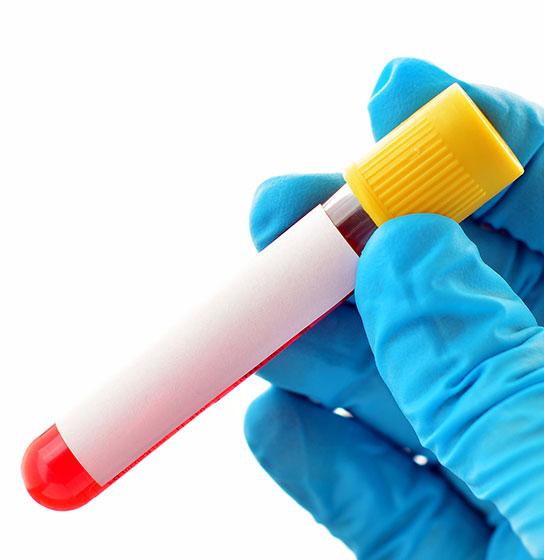
For sexually active people, 25 years of age and older, the CDC recommends yearly STD/STI tests if you are at an increased risk, such as having new or multiple partners. This is most commonly a blood or urine test.
Beginning in your 20s (or earlier), an OB/GYN or specialized nurse practitioner may ask questions about your sexual health. While this discussion may feel personal and private, a provider’s questions are intended to discover whether you are sexually active, if you are at risk for an unplanned pregnancy, or at risk for sexually transmitted diseases or infections (STDs/STIs).
For sexually active people, 25 years of age and older, the CDC (Centers for Disease Control and Prevention) recommends yearly STD/STI tests if you are at an increased risk, such as having new or multiple partners. This is most commonly a blood or urine test.
What is a sexually transmitted infection (STI)/sexually transmitted disease (STD)?
An STI/STD is acquired during sexual intercourse with an infected partner. It can be due to any of the following:
STI/STDs and Their Cause
Bacteria
- Chlamydia
- Gonorrhea
- Mycoplasma genitalium (Mgen)
- Syphilis
Parasites
- Trichomonas
Viruses
- Human papillomavirus (HPV)
- Human immunodeficiency virus (HIV)
- Herpes (HSV)
- Hepatitis B (HBV)
______________________
Chlamydia
What causes chlamydia? A bacteria, chlamydia trachomatis, through contact with an infected partner by oral, vaginal, or anal intercourse.
Symptoms? Often there are no symptoms or there can be vaginal discharge and/or pain with urination. If left untreated, chlamydia can lead to pelvic inflammatory disease, infertility, higher risk for ectopic pregnancy, and pelvic pain.
Who should be tested? Pregnant women and sexually active individuals should test every year until 24 years old. For those 25 and older, yearly screening is recommended if they have a new partner, multiple partners, or a partner who tests positive for an STI.
Treatment? Antibiotics - oral pills
______________________
Gonorrhea
What causes gonorrhea? A bacteria, neisseria gonorrhoeae, through contact with an infected partner by oral, vaginal, or anal intercourse.
Symptoms? Often there are no symptoms or there may be vaginal discharge, abnormal bleeding, pain with urination. If left untreated gonorrhea can lead to pelvic inflammatory disease, infertility, higher risk for ectopic pregnancy, and pelvic pain.
Who should be tested? Pregnant women and sexually active individuals should test every year until 24 years old. For those 25 and older, yearly screening is recommended if they have a new partner, multiple partners, or a partner who tests positive for an STI.
Treatment? Antibiotics - intramuscular injection/shot
______________________
Mycoplasma genitalium (Mgen)
What causes Mgen? A bacteria, mycoplasma genitalium, through contact with an infected partner by vaginal or anal intercourse. It is not yet known if Mgen is acquired orally.
Symptoms? Often there are no symptoms or there may be vaginal discharge, abnormal bleeding, or pain with urination. If left untreated, Mgen can lead to pelvic inflammatory disease, infertility, higher risk for ectopic pregnancy, and pelvic pain.
Who should be tested? Individuals with any of the above symptoms, those with a partner with symptoms, or a known exposure to Mgen.
Treatment? Antibiotics - oral pills
______________________
Syphilis
What causes syphilis? A bacteria, treponema pallidum, through contact with an infected partner by oral, vaginal, or anal intercourse.
Symptoms? There are four stages each with different symptoms, plus congenital syphilis.
- Primary syphilis: usually causes firm round painless lesion(s) in the area of the body where infection occurred. These lesions will go away in 3-6 weeks even if you are not treated.
- Secondary syphilis: symptoms vary from a non-itchy rash, sores, or feeling sick with fever, aches, sore throat, fatigue, etc. These symptoms will also go away within weeks even if you are not treated.
- Latent syphilis: a phase without any symptoms that can last years.
- Tertiary syphilis: occurs when symptoms return after the latent phase, sometimes decades after the initial infection. It can affect the heart, blood vessels, brain, or nervous system.
- Congenital syphilis: rates have been increasing in the past few years affecting newborns who are born to those with syphilis. Risks include stillbirth, preterm birth, low birth weight, and other health complications if not treated right after delivery.
Who should be tested? Pregnant women, individuals with any of the above symptoms, those with a partner with symptoms, or a known exposure to syphilis.
Treatment? Antibiotics - usually an intramuscular shot, but dosing will vary depending upon the stage of disease.
______________________
Trichomonas
What causes trichomonas? A parasite, trichomonas vaginalis, through contact with an infected partner by oral, vaginal, or anal intercourse.
Symptoms? About 70% of the time there are no symptoms. If symptoms are present it’s often a thin vaginal discharge, vaginal itching/odor, or pain with urination. If left untreated the symptoms will usually persist.
Who should be tested? Individuals with any of the above symptoms, those with a partner with symptoms, or a known exposure to trichomonas.
Treatment? Antibiotics - oral pills
______________________
Human Papillomavirus (HPV)
What causes HPV? HPV is most commonly transmitted from one person to another through vaginal, anal, or oral sex.
Symptoms? HPV is often asymptomatic, making it very easy for someone to pass it on to someone else without knowing.
Who should be tested? Therefore, it is important to make sure you are getting screened when appropriate and medically recommended. All women and people with a cervix should be screening regularly per medical guidelines for cervical cancer screening.
Treatment? HPV usually clears on its own within two years, however a persistent infection with a high-risk type of HPV can cause cancer and therefore needs to be monitored through cervical cancer screening.
For more information, see our detailed article on HPV.
______________________
Human Immunodeficiency virus (HIV)
What causes HIV? Human immunodeficiency virus, through contact with an infected partner by vaginal or anal intercourse or by sharing needles. Bodily fluids which transmit the virus include blood, semen, rectal fluid, vaginal fluid, and breast milk. The virus can also be transmitted to the unborn child during pregnancy.
Symptoms?
- Stage 1: includes flu-like symptoms for days to weeks, and are very contagious.
- Stage 2: chronic infection occurs often without symptoms but people are still contagious.
- Stage 3: without treatment, some will progress to having acquired immunodeficiency syndrome (AIDS), people get very sick with a damaged immune system, and are still contagious.
Who should be tested?
- All individuals should be tested at least once between the ages of 13-64 years old.
- Pregnant individuals for each pregnancy.
- You've had anal or vaginal sex with someone who has HIV.
- You've had more than one sex partner since your last HIV test.
- You've shared needles, syringes, or other drug injection equipment (for example, cookers).
- You've been diagnosed with or treated for another sexually transmitted infection, hepatitis, or tuberculosis (TB).
Treatment? Antiretrovirals - (ART) oral pills will treat those with the virus. Antiretrovirals can also be used to prevent getting HIV (PrEP).
______________________
Herpes Simplex Virus (HSV 1 & HSV 2)
What causes herpes? A virus, HSV 1 or HSV 2, through contact with an infected partner by oral, vaginal, or anal intercourse. The virus is spread by skin-to-skin contact - for example kissing someone with active viral shedding or a blister on the lip could spread the infection. This also includes active lesions on other parts of the body, viral shedding without lesions, infected saliva, or genital discharge. Condoms may not fully protect, as there can still be exposed skin.
Symptoms? Much of the time there are no symptoms. If symptoms are present it usually starts as one or more blisters which turn into painful sores. Initial outbreaks also often cause fever, aches, and enlarged lymph nodes. Outbreaks can recur at random times or with stress. HSV 1 more often causes oral herpes (cold sores), HSV 2 more often causes genital herpes, though either type can occur in both locations.
Who should be tested? Individuals with the above symptoms.
Treatment? Antivirals - oral pills to treat each outbreak or daily to suppress future outbreaks and reduce transmission to partners.
______________________
Hepatitis B (HBV)
What causes Hepatitis B? A virus, HBV 1, through contact with an infected partner by oral, vaginal, or anal intercourse.
Symptoms? Many have no symptoms. Some will have fever, fatigue, dark urine, clay-colored stool, nausea, vomiting, loss of appetite, or yellow skin/eyes.
Who should be tested? Every pregnant person, each pregnancy. Infants born to infected mothers. Every adult should be tested at least once in their life. Those at high risk should be tested regularly. Here are some examples of those at high-risk:
- A history of sexually transmitted infections or multiple sex partners
- A history of past or current HCV infection
- Having human immunodeficiency virus (HIV) infection
- Having current or former household contacts of people with known HBV infection
- Having shared needles with or engaged in sexual contact with people with known HBV infection
Treatment? There is no medical treatment for acute infection, just rest, hydration, and good nutrition. For chronic hepatitis B there is no cure, but antiviral treatment is available to reduce viral counts. Prevention with the HBV vaccine is recommended for infants or anyone not vaccinated up to age 59, and those at high risk over age 60 (see list above).
______________________
What can I do to avoid getting an STI/STD?
Use condoms each time you have sex to reduce the risk of getting infections and get yourself and your partner tested prior to starting a sexual relationship.
Skip the stirrups
To get early access, enter your email below.
$99 with insurance
$249 without insurance (reduced from $499)


🔒 100% Private & Secure • No Hidden Costs
